
What first drew you to film photography?
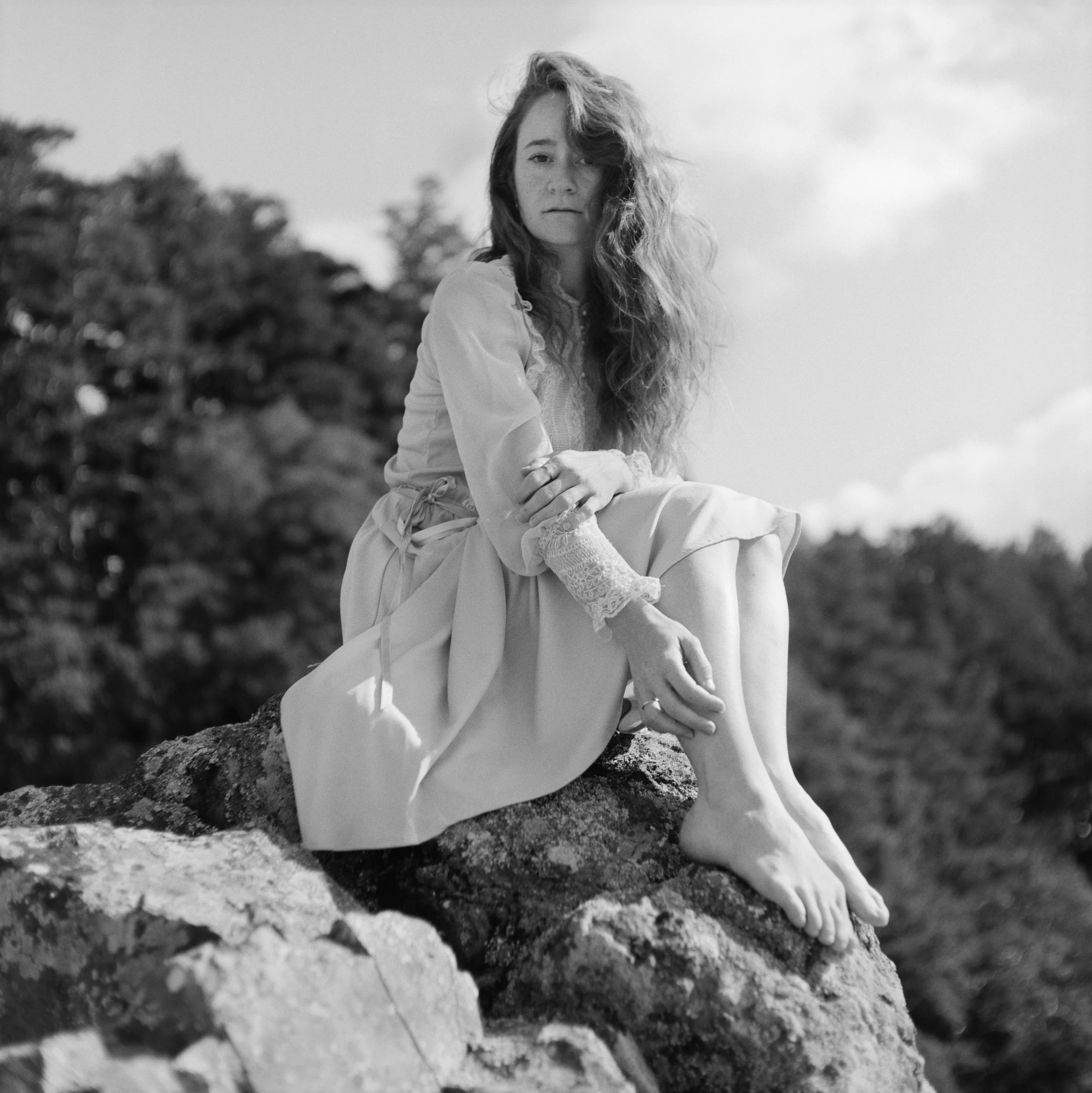
I grew up at the same time digital photography was becoming accessible to the general public, but during my early childhood film cameras were still the norm. My dad and granddad both had 35mm SLRs, and I remember looking at the photographs those cameras produced and thinking they had an intangible quality to them that made them unique-- dreamy yet bitingly crisp. By the time I was interested in making my own photos, digital photography was more popular than film; I had access to a cheaper, much faster, instantly-gratifying way to take pictures, and preteen/teen me made thousands of images at breakneck speed, fervently and carelessly, with little understanding of what the camera was doing or what I wanted it to produce. I didn't think about photography as an art form until later, in high school, when if you wanted to take a Photography class you had to learn using a film camera. In 2004, choosing to use film over digital was a conscious choice, and one that seemed to elevate the intentions of the photographer and the resulting photograph. The images my peers produced on film were moody and had depth, they looked more real than the flat, flash-washed images my digital point and shoot made. I didn't take the class, and went on using digital cameras until about 2012, when I got a Minolta X-700. I took decent pictures with that camera, but still didn't really know what I was doing. That dreamy quality from childhood was in some of the photos I made, but not as much as I wanted. I kept at it, and received a Mamiya C220 in 2015. This marked my abandonment of digital photography for film and was the point I decided to become serious about learning to use my camera to make art. The TLR mimics so much of what the human eye sees (except reversed) that it feels like the most authentic representation of what I see when I look through my own eyeballs. It's cliche and maybe not true for everyone, but photographs on film don't just look different, they feel different, and for me, it's all about trying to recreate the feeling I got as a child looking at photos taken by my family members on film.
Which camera, film stock do you find yourself reaching for most often — and why?
My most used camera is my Mamiya C220, and I like Ilford 400 film. The Mamiya is my most dependable and versatile camera (it has interchangeable lenses and an attachable flash), and since I use a lot of natural light, 400 speed film is perfect for mercurial weather/sun situations. If the sun is out, I slap on a neutral density filter and shoot at 100 speed. I like to hike around a lot, and the lightest, most compact kit I can have with me also needs to be the most useful one.
Can you share one photo (or series) that feels especially meaningful to you, and tell us the story behind it?
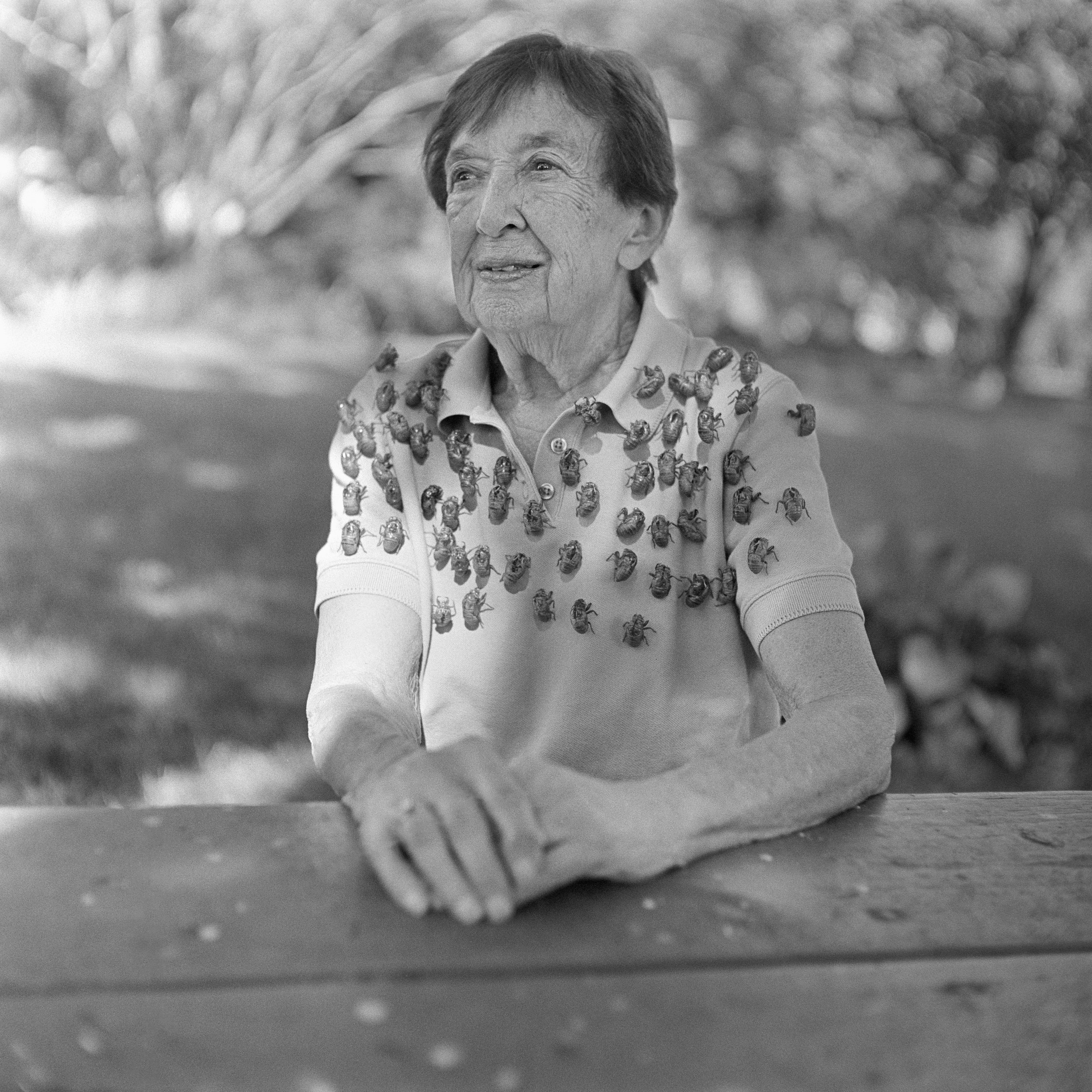
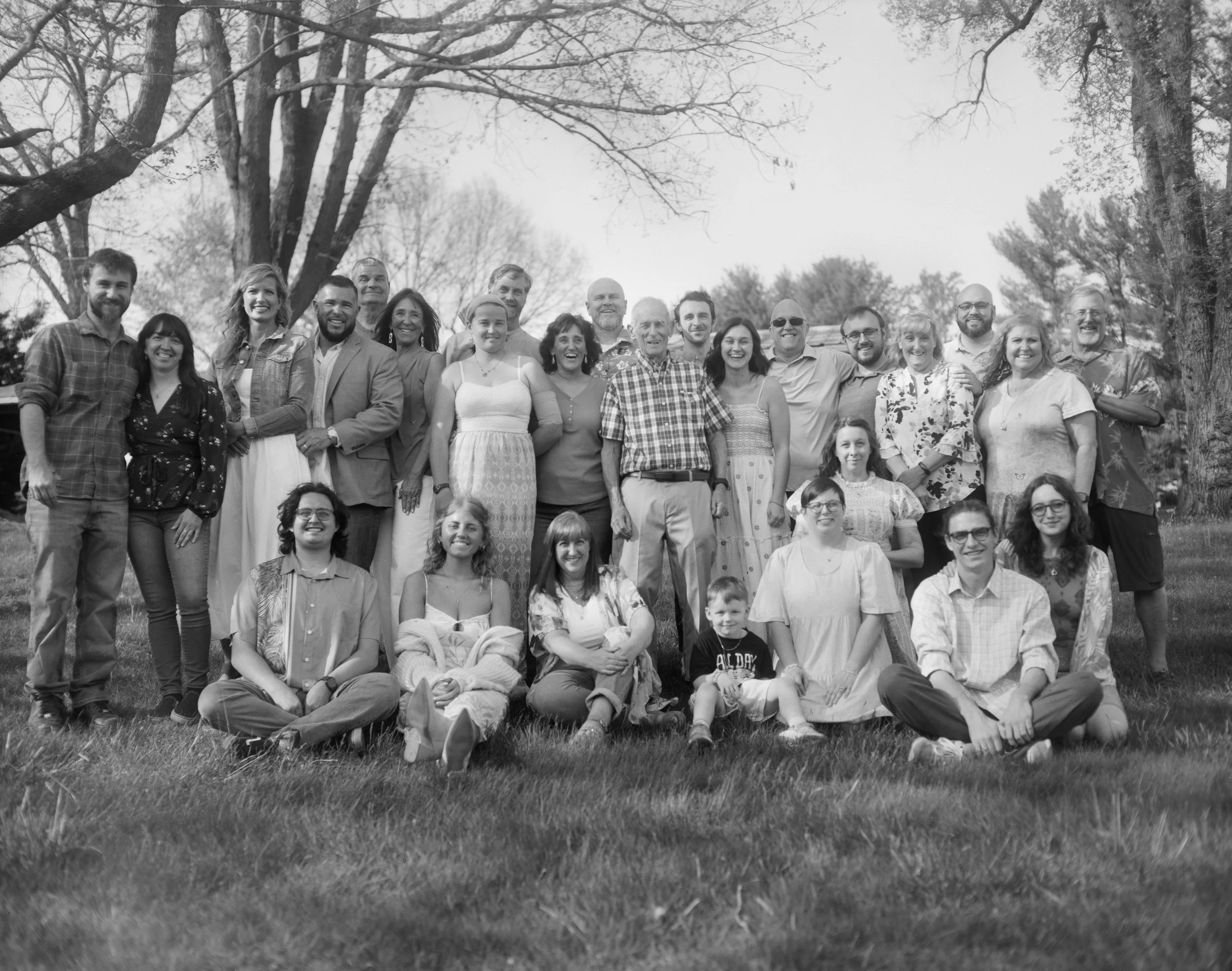
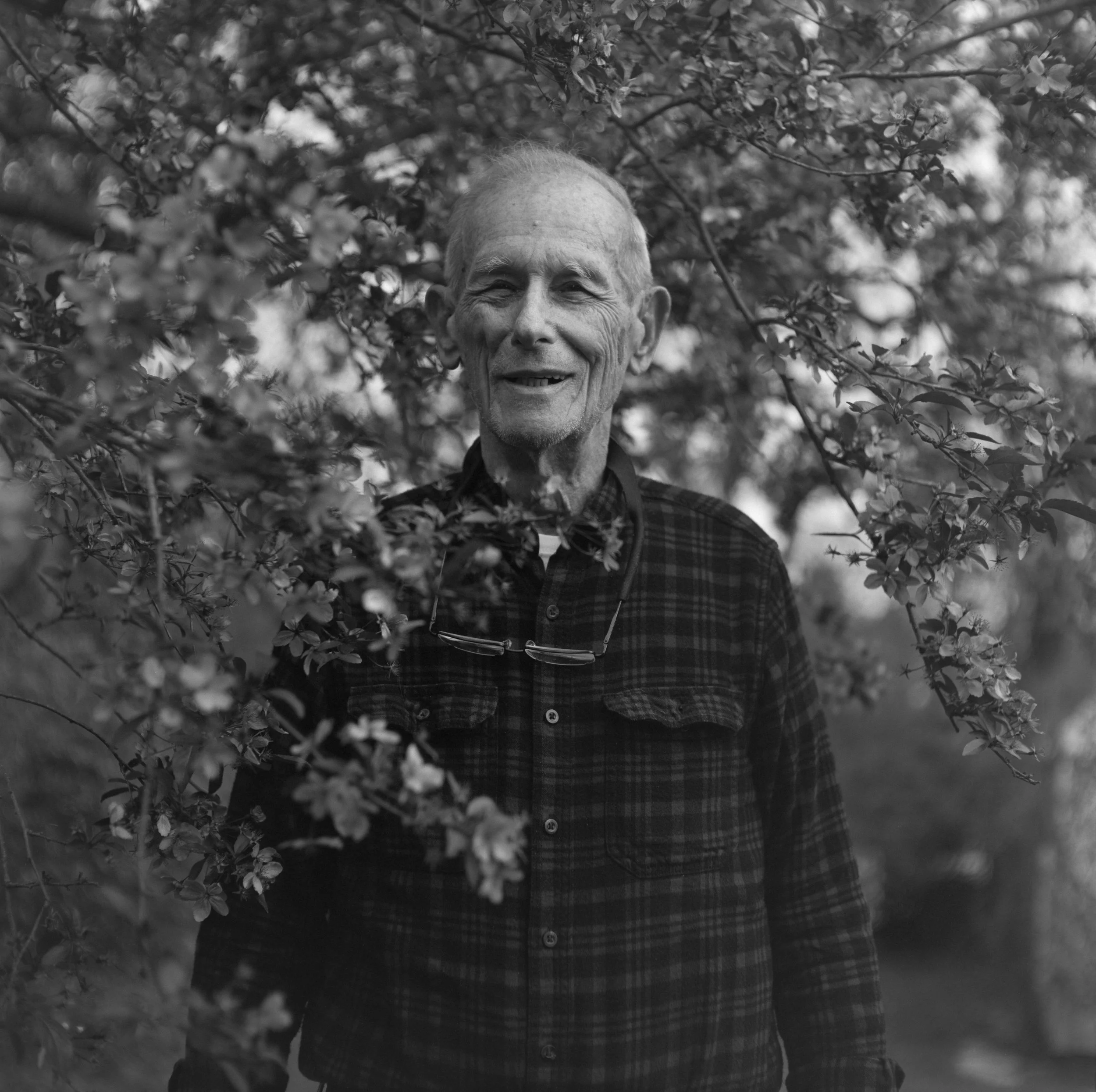
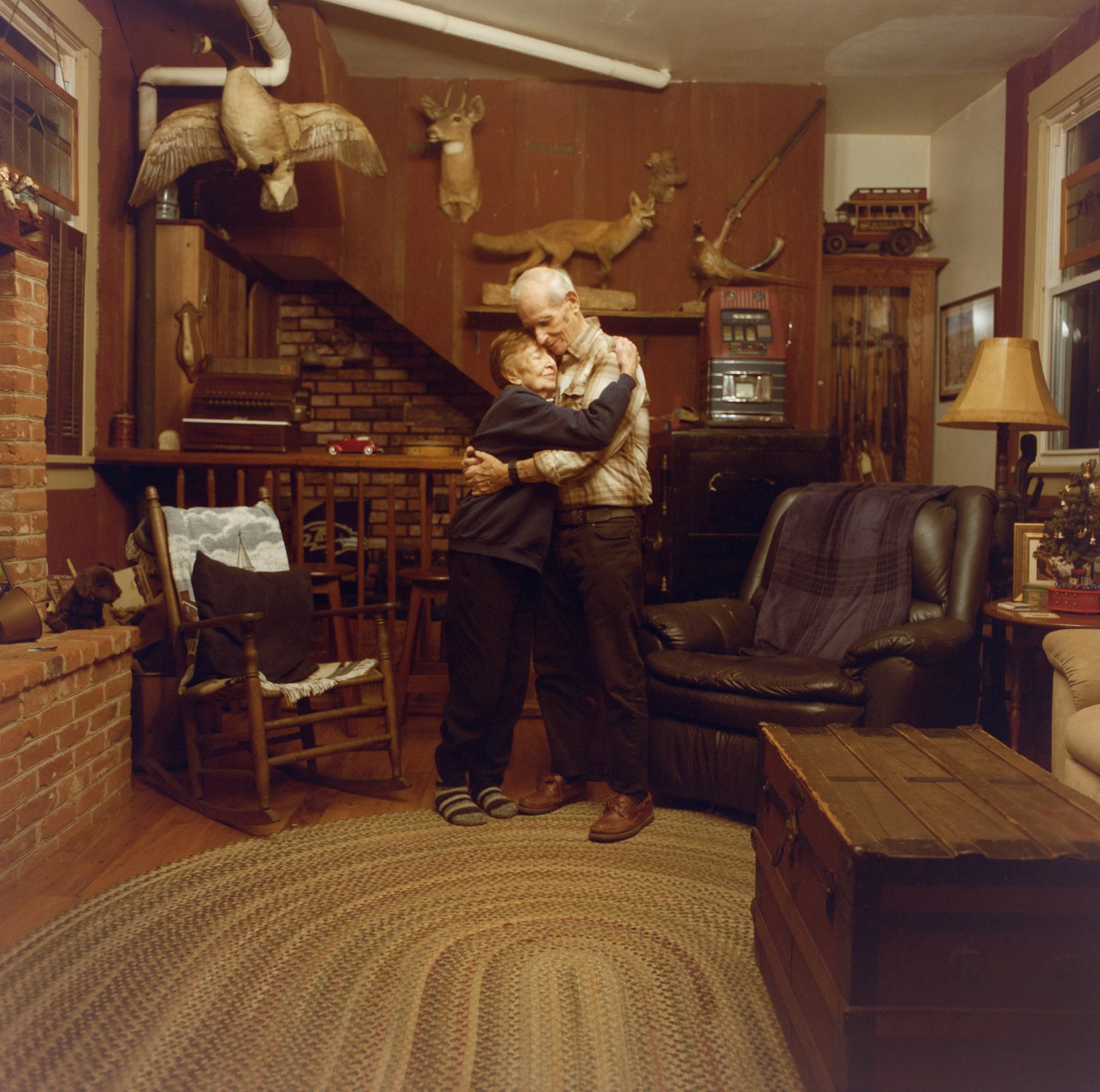
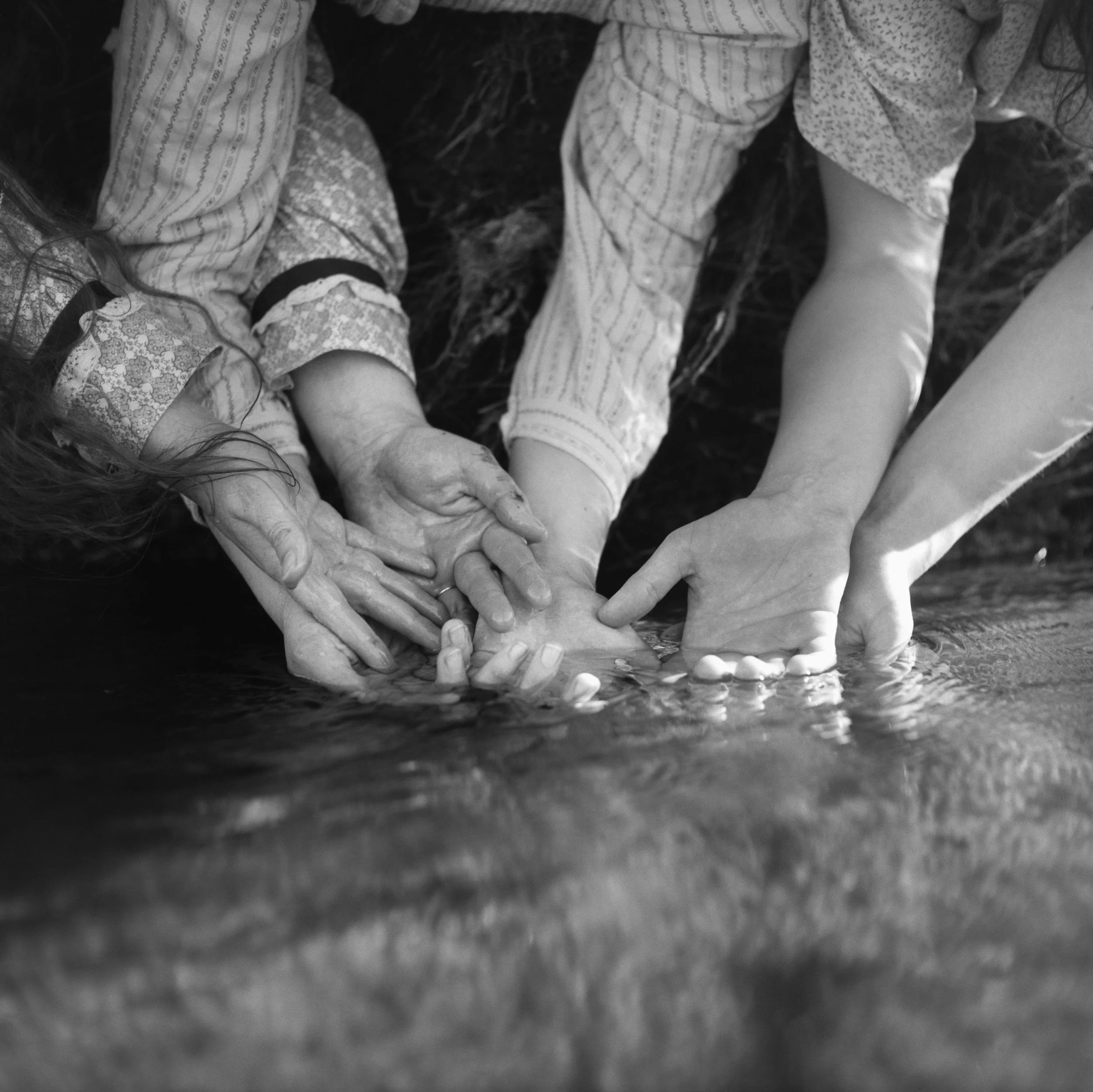
For the last few years I've been working on documenting my family back home on the East Coast. Specifically, photographing my grandparents in their home annually. They were very kind in letting me do this, and have humored me and my requests quite a bit. This spring, we watched my grandmother pass away, and this made the photos I had taken of her in previous years all the more special, and made me want to photograph my family more extensively. One of the photos I've included is a family portrait taken after my grandmother's celebration of life. It's large format, and I can't believe nobody blinked! It's the first family portrait we have where everyone alive is present since I was thirteen, and I'm proud to have organized it, and grateful that my family is willing to put up with my fanatic need to document and archive.
What’s the biggest challenge you’ve faced while shooting film, and how has it influenced your growth as a photographer?
Shooting film is expensive, and so is having working film cameras, especially old ones. I didn't pursue photography seriously (despite wanting to) for years because I couldn't bring myself to buy the camera I wanted. When I finally got the camera, I'd spend months at a time holding onto exposed rolls because it was costly to get them developed and scanned. I missed out on a lot of learning opportunities that way-- since I couldn't see my photos shortly after I took them, I didn't learn what mistakes I was making (or successes I was having) until later. Learning how to and becoming confident in developing film at home has advanced my practice tangibly, I can shoot as much BW as I want and develop it the same day. Since I don't develop color film and everything is more expensive now, I still hoard exposed rolls until a particularly good payday. I've even crowdsourced for funding to get my film developed. Times are tough! I'm starting to look into grants as a way to make some bigger, longer term projects. Who knows what I could be accomplishing if I had a less limited supply of money for photography!
What advice would you give to someone just starting with film photography?
Get a decent version of whatever camera you need that is capable of producing the images you want, and go. Make mistakes, watch videos, talk to photographers, shoot. Ask the old men who tell you they used to have the camera you have now if they would like to support an artist by giving you $10 for film. If you need help finding a camera, ask someone who is familiar with camera buying on eBay to help you, don't buy anything without doing your research. Learn to develop your own film and to scan it (which is rewarding both mentally and monetarily). Find a community, join a photo critique group in your area, ask strangers to pose for you. Be mindful of your surroundings, be safe, and have fun. Oh, and get a light meter and use it regularly!
What’s your favorite place to take photos in San Francisco, and why does it inspire you?
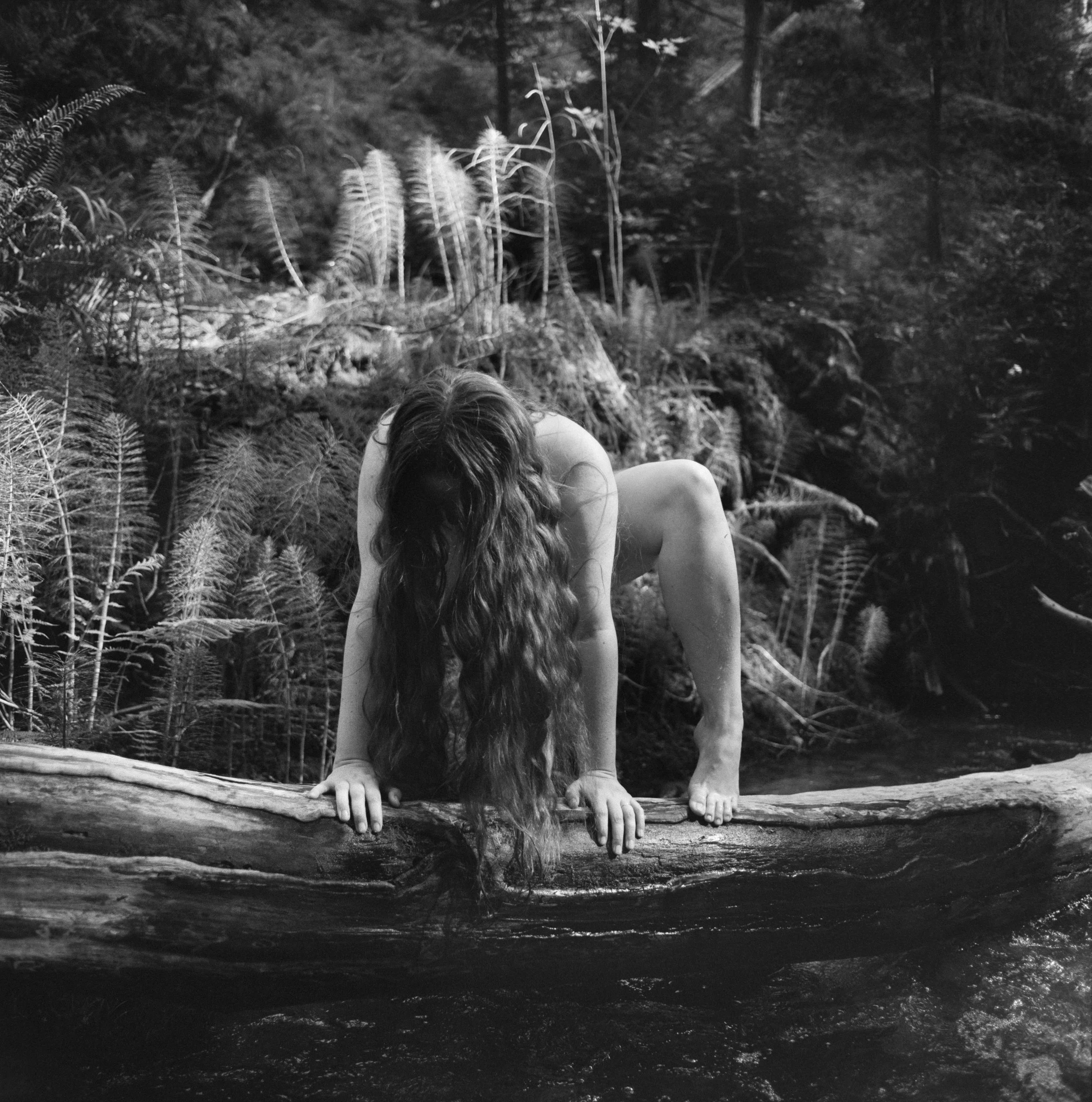
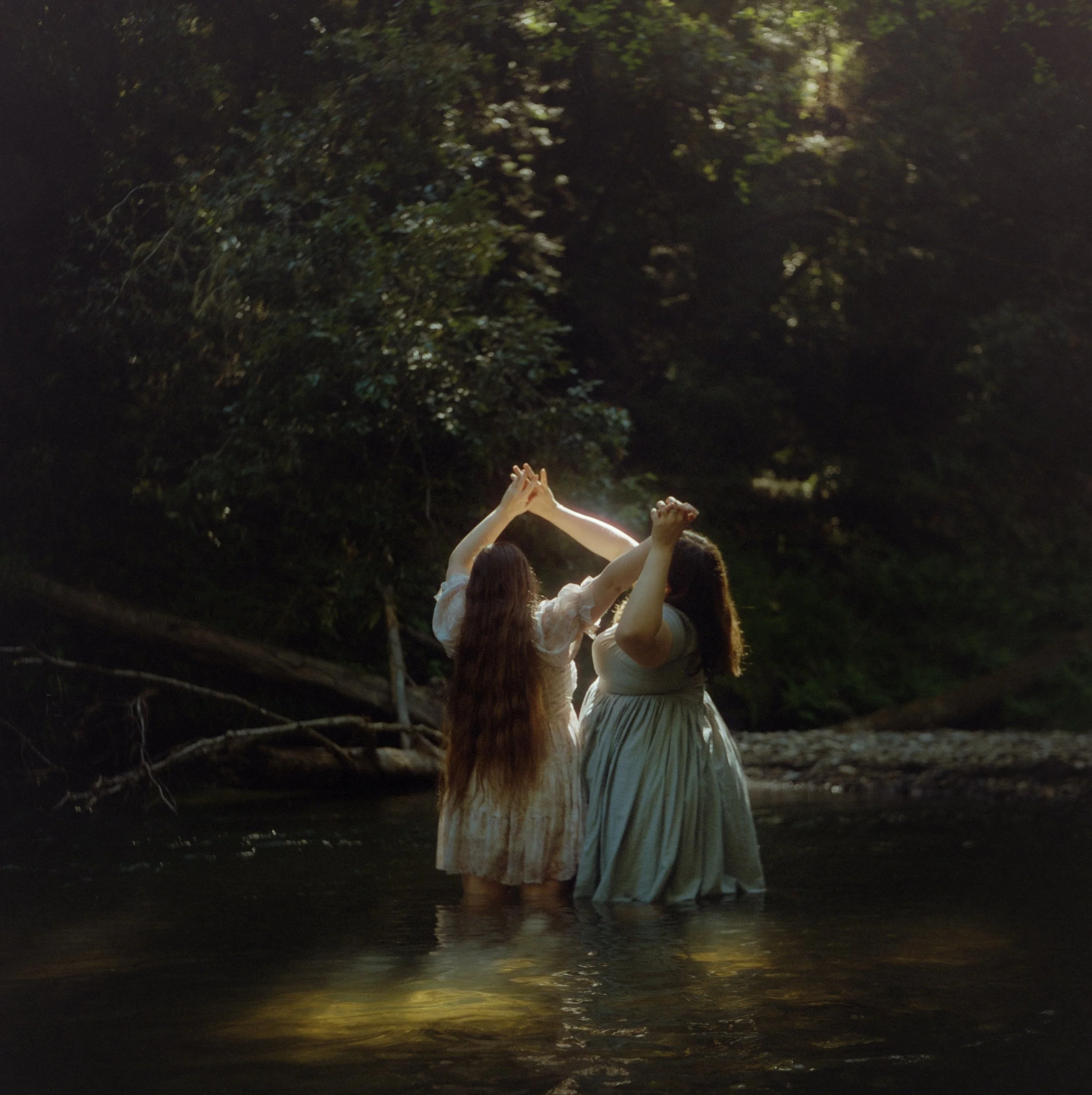
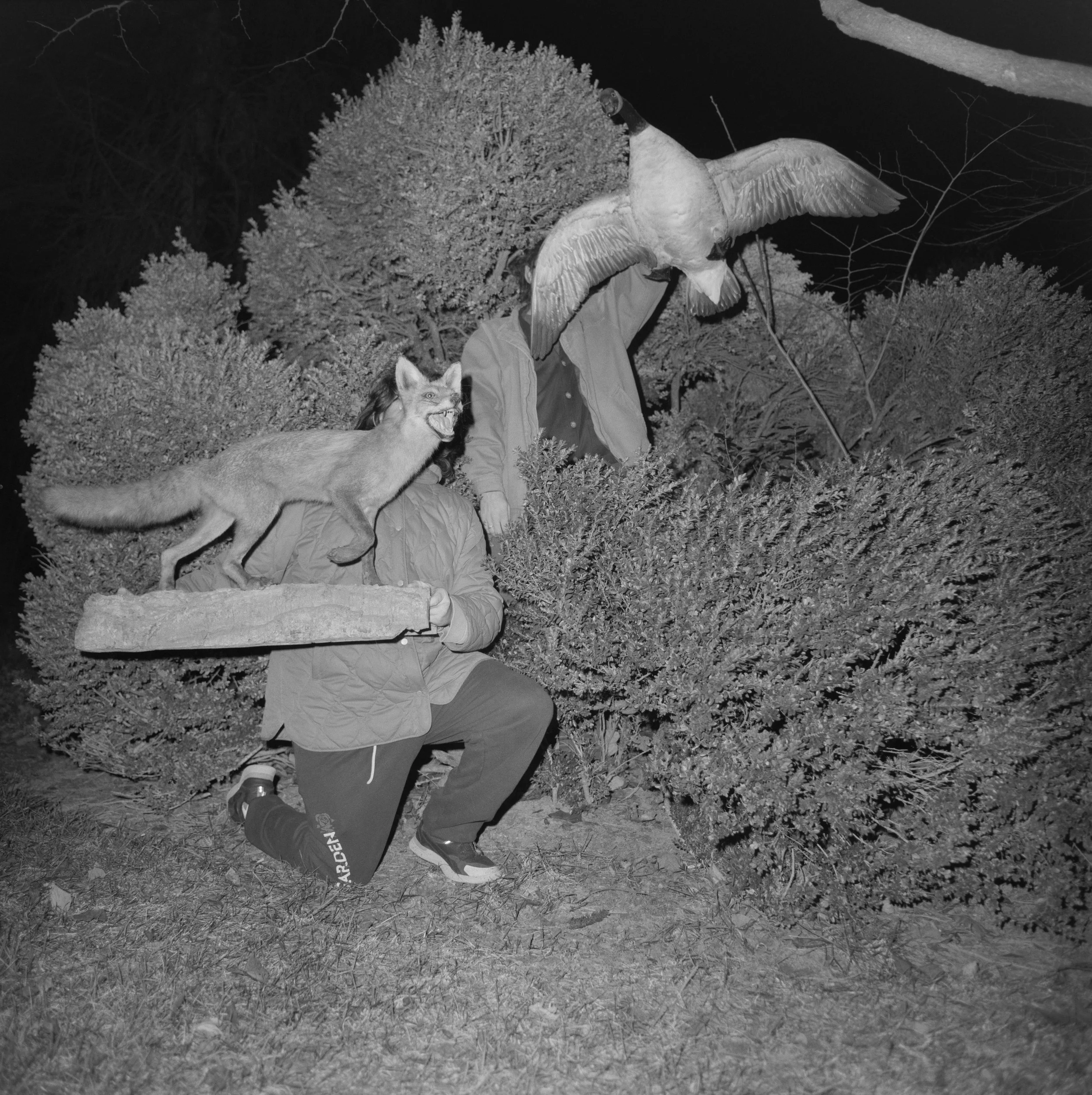
I'm inspired by nature and by people interacting with nature/animals. Within SF, this could be a big park, the beach, a fishing pier, a community garden, a bee yard, a rock outcropping, or something else. I don't particularly go for landscapes or architecture (unless it's a barn), but any place I can find a bit of nature or human quirkiness is good for me.